

Saturated Color - Keep It Juicy!
Many people use water to thin their acrylics and then complain that their painting looks chalky and dull. Worse yet, it flakes off when used thinly on a non-absorbent surface. Despite what you may think, water is not the best extender for acrylic paint. Remember that water evaporates: it disappears. You don’t make more paint by adding water because water evaporates and - it has no binder in it!
What happens when you add too much water to acrylic paint?
- Increases shrinkage of paint film, takes away the rich “juiciness”
- Reduces binding capabilities or decreases film integrity
- Reduces the sheen, flattens out color
- Dilutes the balance of PH, which dilutes the preservative
- Reduces color saturation
The above reasons are often why people complain about the “dullness” and “flatness” of acrylics. Truth be known, painters cause dullness by over-diluting the paint. The exception, of course, is when the paint is used for a "staining" style, where the thinned paint is absorbed into a highly absorbent surface, such as watercolor paper or raw canvas. When using acrylics to yield a watercolor style, it is perfectly appropriate to use water as the medium.
In non-watercolor-like painting styles, the suggested ratio of water to paint is about 50/50. But people don’t realize how much water they have loaded into a brush when they wash the brush in a water bucket. They need to wipe excess water off on a towel - and then put brush in paint.
The remedy: Use Polymer Medium - or a heavier viscosity gel!
Just as you use a painting medium in oils (which has a linseed oil binder in it), you should use a polymer medium when using acrylics, which also has a binder in it. A good analogy is using turps as a medium for oil paint - we all know how it dulls out the colors and is an unstable film which wipes off easily. Since turps has no binder in it, it does not form a strong adherence to your substrate. Same thing with water. As I mentioned earlier, use it only for watercolor/staining techniques on an absorbent surface.
Another benefit of using Polymer Medium: you will not lose the volume. Water evaporates completely. Polymer Medium has more viscosity and retains more volume. I learned the hard way - with "shrinking" paintings. Now I use either a polymer medium or a gel to keep my paints thick, juicy and saturated!
Here's the beauty of working with acrylic mediums - pick the medium that suits your style - whether that be thin and drippy - or thick and impasto-like. There are a multitude of textures and viscosities to choose from! I will be explaining this more in future artbytes, so stay tuned.
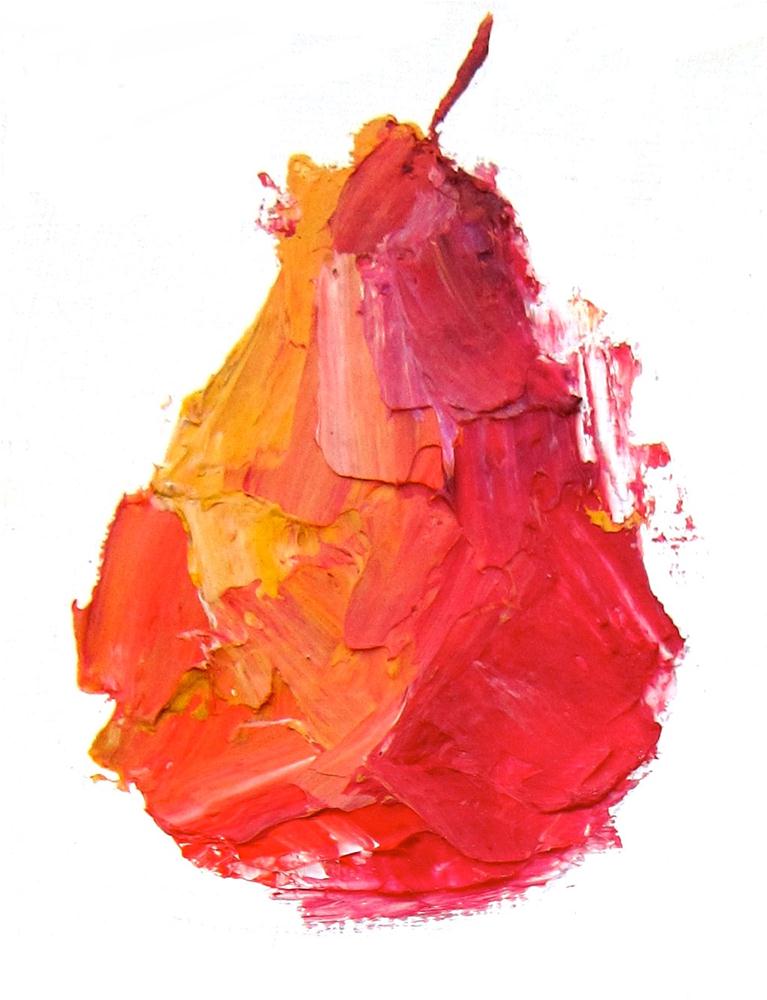
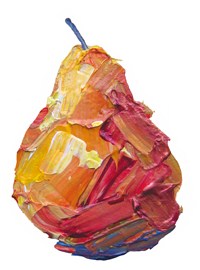
Here are a few examples of the different effects you can get, just by changing your medium, or using it as a ground.
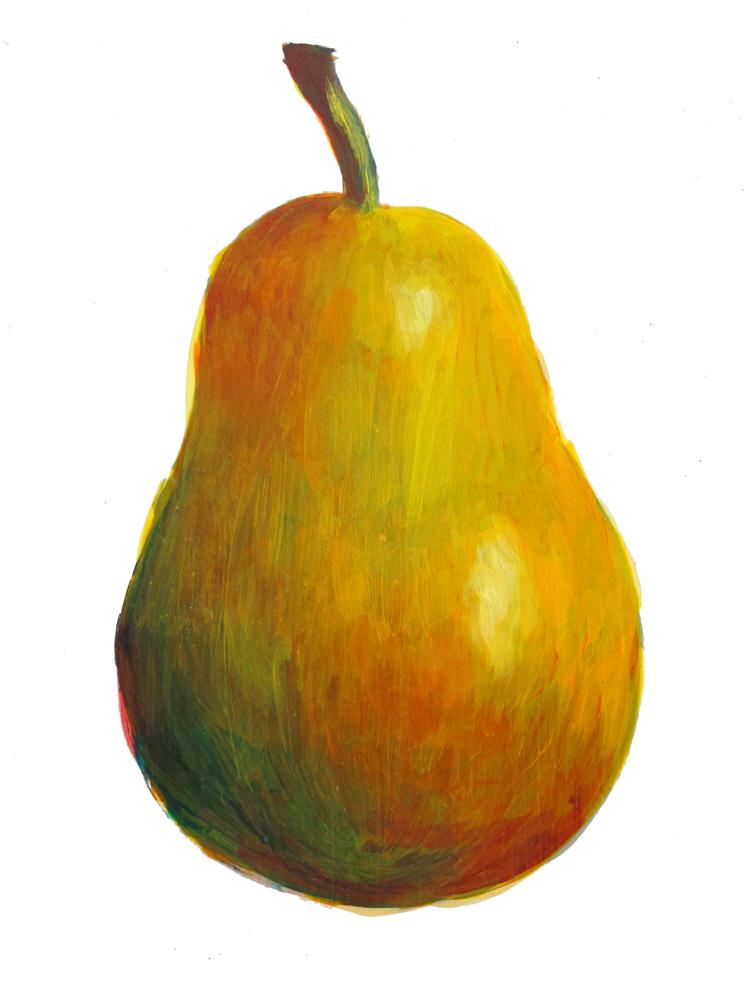
Left: Fluid paints using Open Medium, which is slow-drying, for soft feathering and blending.
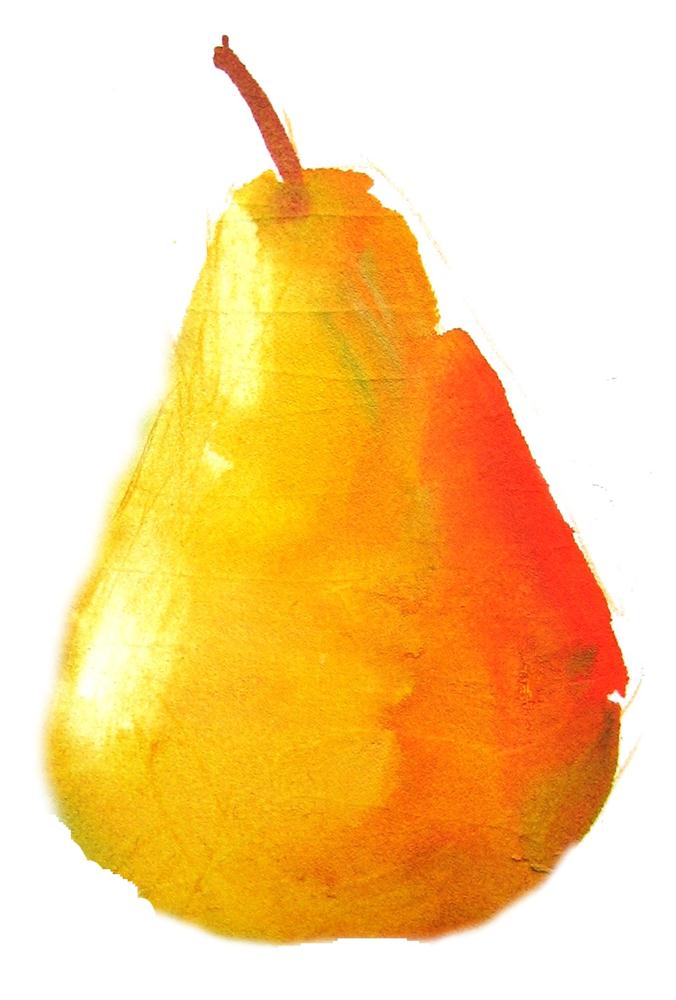
Middle: Acrylics thinned with watercolor and painted on a ground of Coarse Molding Paste, which has a slightly granular and absorbent surface.
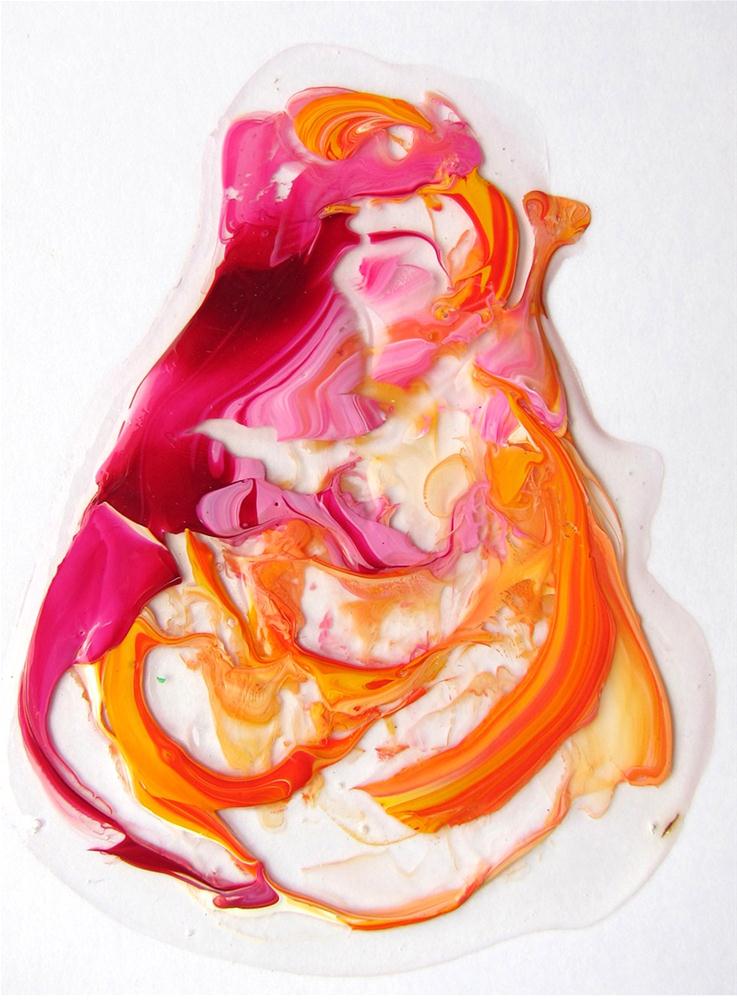
Right: Fluid paint dropped in Clear Tar Gel and then pushed around with a brush end.
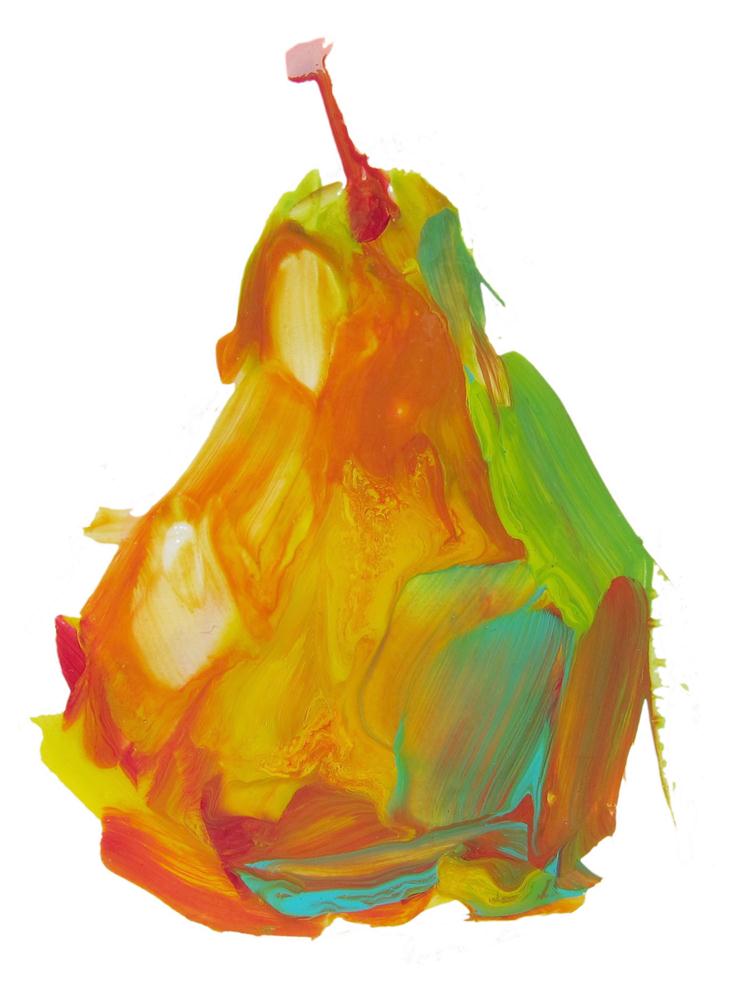
Left: Fluid paint mixed with Soft Gel Gloss.
Middle: Heavy Body paint mixed with Extra Heavy Gel Matte.
Right: Fluid paint mixed with Molding Paste.
This is a very small sampling of what you can do when you use various mediums mixed in with your paint. The variety really explodes when you used various mediums as a ground to paint on - which I will explore in an upcoming artbyte.